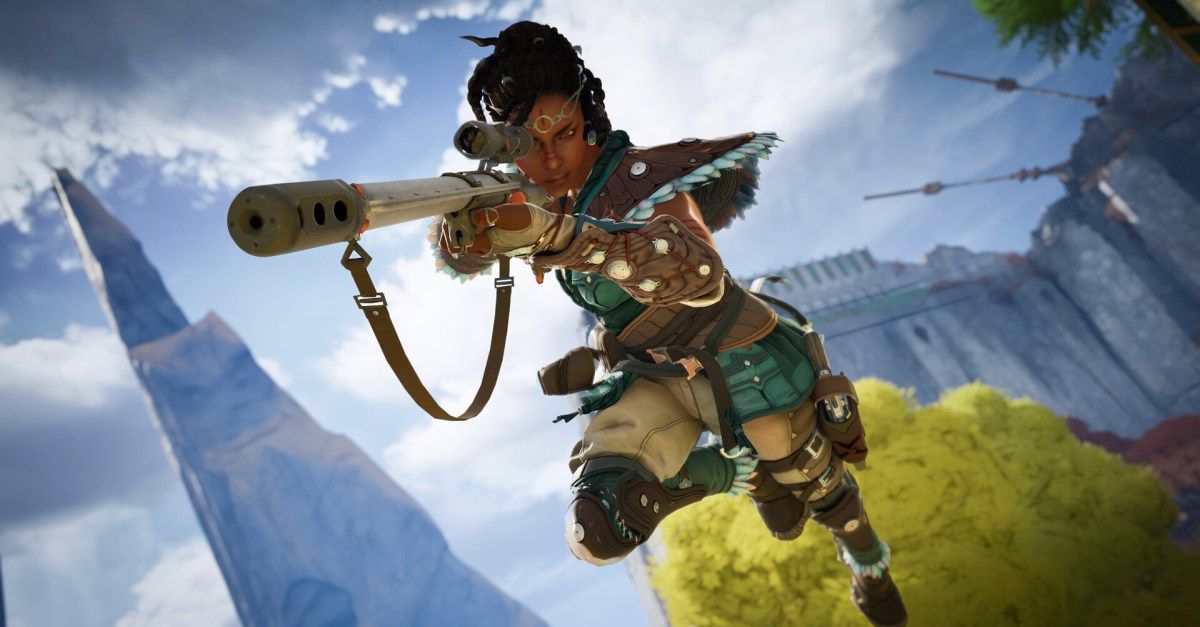
The digital graveyard of ambitious video games just welcomed another resident. Wildlight Entertainment's free-to-play shooter, Highguard, has announced its shutdown mere months after its much-anticipated launch, becoming a stark reminder of the cutthroat nature of the modern gaming industry. While its rapid demise might seem like an isolated incident, Highguard's fate is a symptom of a larger, more systemic issue: the relentless pursuit of "the next Fortnite."
The Shadow of a Titan: How Fortnite Reshaped the Landscape
When Epic Games unleashed Fortnite Battle Royale in 2017, it didn't just create a game; it ignited a cultural phenomenon. Its free-to-play model, engaging gameplay loop, constant content updates, and revolutionary battle pass system generated billions and redefined player expectations. Publishers, witnessing this unprecedented success, saw dollar signs and quickly pivoted their strategies, instructing developers to replicate Fortnite's formula. The market was flooded with battle royales, hero shooters, and live-service titles, all vying for a slice of the pie that, in reality, only a few could truly hold.
Highguard's Untimely End: A Case Study in Market Saturation
Highguard, much like many before it, entered an arena already dominated by established giants and a graveyard of past hopefuls. While specifics of its internal struggles remain largely undisclosed, its quick shutdown speaks volumes. In a landscape where players are spoilt for choice and deeply invested in existing ecosystems, a new free-to-play title needs more than just solid mechanics; it requires a unique selling proposition, a compelling community strategy, and a roadmap that can sustain interest for years, not months.
Many F2P ventures falter due to a combination of factors: an inability to differentiate from competitors, technical issues at launch, a lack of compelling post-launch content, or perhaps most critically, a failure to build and monetize a dedicated player base without resorting to predatory tactics. The sheer cost of acquiring and retaining players in this saturated market can quickly become unsustainable, even for well-funded studios.
The Broader Implications: Is the F2P Bubble Bursting?
Highguard's collapse is not an isolated incident but rather a trend illustrating a potential market correction. Publishers are learning, often the hard way, that simply mirroring successful formulas isn't enough. Players are savvy; they recognize blatant imitations and are increasingly discerning about where they invest their time and money. The days of launching an F2P game with a generic premise and expecting overnight success are rapidly fading.
For the free-to-play model to thrive, the industry needs to shift its focus from mere replication to genuine innovation. This means exploring untapped genres, creating unique monetization strategies that respect player value, and fostering communities that feel genuinely heard and engaged. The future of free-to-play might lie not in chasing the next Fortnite, but in discovering entirely new paradigms that challenge existing norms and offer truly fresh experiences.
What's Next for Free-to-Play?
The lesson from Highguard's swift exit is clear: originality, strategic execution, and a deep understanding of player expectations are paramount. Developers and publishers must resist the siren call of quick riches from imitation and instead invest in building sustainable, engaging, and genuinely innovative experiences. Only then can they hope to stand out in a market that has become unforgivingly competitive, ensuring their games don't join the growing list of "Fortnite clones" consigned to oblivion.